Wool Felting Yarn: Complete Guide to Bernat Felted Yarn
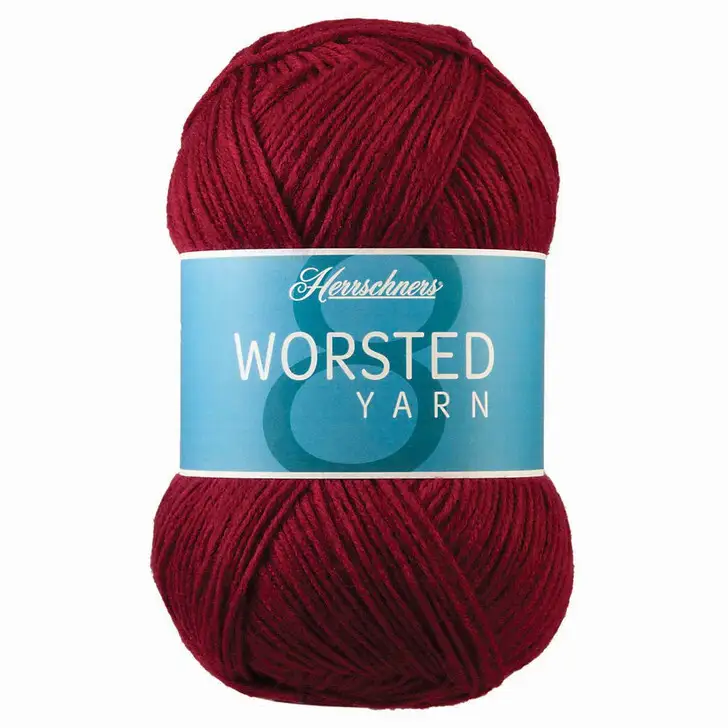
Bernat Felted Yarn Classic
Premium wool blend yarn designed specifically for felting projects. Features excellent shrinkage properties and vibrant color retention after the felting process, making it ideal for bags, bowls, and home décor items.
Key Features:
- 100% wool construction
- Superior felting properties
- Machine washable for felting
- Vibrant color selection
- Medium weight (4) yarn
- 260 yards per skein
- Excellent stitch definition
- Consistent texture throughout
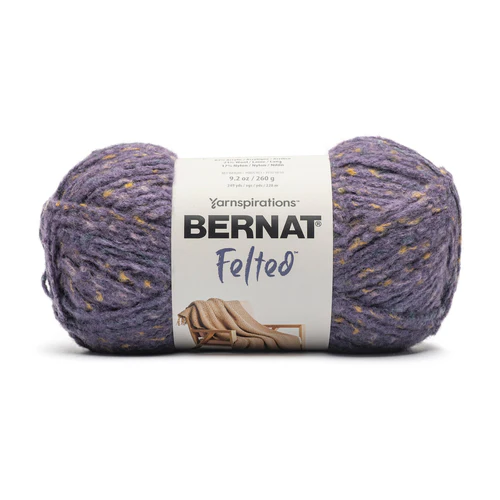
Bernat Felted Yarn Heathers
Beautiful heathered wool yarn that creates stunning color variations when felted. Perfect for creating textured bags, slippers, and decorative items with rich, multi-tonal appearance after the felting transformation process.
Key Features:
- Heathered color design
- Pure wool fiber
- Enhanced texture after felting
- Durable construction
- Consistent shrinkage rate
- Easy care instructions
- Multiple colorways available
- Professional felting results
Understanding Bernat Felted Yarn and Wool Felting
Bernat felted yarn represents one of the most reliable options for crafters interested in wool felting projects. This specialized yarn transforms dramatically when exposed to hot water and agitation, creating dense, durable fabric perfect for bags, bowls, and home accessories.
The felting process works by causing the wool fibers to mat together permanently, shrinking the fabric by approximately 30-40%. Bernat felted yarn is specifically engineered to felt evenly and predictably, ensuring consistent results across different projects and color choices.
Unlike regular wool yarns that may felt unpredictably, bernat felted yarn maintains uniform shrinkage rates and color integrity throughout the felting process. This reliability makes it an excellent choice for both beginners learning felting techniques and experienced crafters working on complex projects.
The yarn’s composition and construction allow for excellent stitch definition before felting, while creating smooth, professional-looking surfaces after the transformation. Many crafters appreciate how bernat felted yarn holds its shape and maintains structural integrity even in heavily used items like bags and slippers.
Essential Bernat Felted Yarn Techniques and Tips
Proper Knitting Techniques
When working with bernat felted yarn, knit your projects approximately 30% larger than the desired finished size. The dense nature of this yarn requires looser gauge knitting to accommodate the significant shrinkage that occurs during felting.
Use needles one or two sizes larger than typically recommended for the yarn weight. This creates the open fabric structure necessary for proper felting, allowing the fibers to move and mat together effectively when exposed to hot water and agitation.
Felting Process Guidelines
The felting process for bernat felted yarn requires careful attention to water temperature and agitation levels. Use hot water (around 104-120°F) and add a small amount of detergent to help the fibers lock together during the washing machine cycle.
Monitor your project closely during felting, checking every 5-10 minutes to assess progress. Different colors of bernat felted yarn may felt at slightly different rates, so timing can vary between projects even when using the same techniques.
Stop the felting process when your project reaches the desired size and density. The fabric should feel firm and show no visible individual stitches, while maintaining flexibility for the intended use.
Creative Project Ideas with Bernat Felted Yarn
Home Décor Applications
Bernat felted yarn excels in home décor projects where durability and appearance matter equally. Felted bowls created from this yarn maintain their shape beautifully while providing attractive storage solutions for small items, keys, or decorative elements.
Table runners and placemats made with bernat felted yarn offer water resistance and easy cleaning, making them practical for dining areas. The dense felted fabric resists staining and can be spot-cleaned or gently washed when needed.
Functional Accessories
Handbags and totes represent some of the most popular projects for bernat felted yarn. The felted fabric provides structure and durability without requiring additional interfacing or support materials, while the natural water resistance protects contents from light moisture.
Slippers and house shoes benefit from the insulating properties and comfort of felted wool. Bernat felted yarn creates thick, warm fabric that molds to feet over time while maintaining its shape and protective qualities through regular wear.
The same reliable performance found in Bernat Super Value yarn projects extends to felting applications, though the transformation process creates entirely different fabric characteristics and project possibilities.
Color Selection and Design Planning
Understanding Color Changes
Bernat felted yarn colors may shift slightly during the felting process, typically becoming more saturated and rich. Light colors tend to maintain their brightness, while darker shades develop deeper, more complex tones that enhance the overall appearance of finished projects.
Plan color combinations carefully, considering how different shades will interact after felting. Colors that appear distinct in the unknitted yarn may blend or create unexpected effects once the fibers mat together during the felting transformation.
Pattern Considerations
Simple stitch patterns work best with bernat felted yarn, as complex designs become obscured during the felting process. Stockinette stitch, garter stitch, and basic textural patterns provide the best foundation for successful felted projects.
Stranded colorwork and Fair Isle patterns can create beautiful effects in felted items, but require careful planning to ensure adequate contrast remains visible after the yarn fibers mat together. Test swatches help determine which color combinations will produce the desired results.
Consider incorporating techniques from specialty yarn projects to add unique design elements before felting, keeping in mind how these details will appear in the transformed fabric.
Care and Maintenance of Bernat Felted Yarn Projects
Washing Guidelines
Once felted, projects made with bernat felted yarn require different care than regular wool items. The felted fabric can typically handle gentle machine washing in cool water, though hand washing provides the safest cleaning method for valued items.
Use wool-specific detergents or mild soap when cleaning felted items. Avoid fabric softeners, which can affect the texture and structure of the felted fabric, potentially causing it to become too soft or lose its shape over time.
Storage Recommendations
Store bernat felted yarn projects in breathable containers or cloth bags to prevent moisture buildup and potential moth damage. The dense felted fabric provides some natural protection against insects, but proper storage ensures long-term preservation.
Keep felted items away from direct sunlight for extended periods, as UV exposure can cause colors to fade gradually. Rotate stored items occasionally to prevent permanent creasing or flattening in heavily felted areas.
Unlike the care requirements for Bernat Forever Fleece yarn projects, felted items benefit from occasional brushing with a soft bristle brush to maintain surface texture and appearance.
Troubleshooting Common Bernat Felted Yarn Issues
Uneven Felting Problems
If your bernat felted yarn project shows uneven felting, return it to the washing machine for additional hot water cycles. Sometimes certain areas require more agitation to achieve uniform density throughout the entire piece.
Check for areas where stitches were too tight initially, as these sections may resist felting and require extra attention. Gentle manual agitation of problem areas while the project soaks in hot water can help achieve more consistent results.
Size and Shape Issues
Over-felted projects become too small and dense for their intended purpose. While this cannot be reversed, over-felted items often work well for smaller applications or can be repurposed into different projects entirely.
Under-felted bernat felted yarn still shows individual stitches and lacks the dense fabric structure characteristic of properly felted items. Continue the felting process until no individual stitches remain visible and the fabric feels firm and cohesive.
Project planning becomes easier with experience using bernat felted yarn, similar to developing skills with Bernat Maker yarn in traditional knitting applications, though the techniques and final results differ significantly between felted and non-felted projects.
Frequently Asked Questions
Mastering Bernat Felted Yarn for Beautiful Projects
Bernat felted yarn opens up a world of creative possibilities for crafters interested in exploring the fascinating transformation of felting. This specialized yarn delivers consistent, predictable results that make both learning and advanced felting projects more successful and enjoyable.
The unique properties of bernat felted yarn set it apart from regular wool yarns, offering reliable shrinkage rates and excellent color retention throughout the felting process. Whether you’re creating functional items like bags and slippers or decorative pieces like bowls and table runners, this yarn provides the foundation for durable, attractive finished projects.
Success with bernat felted yarn comes from understanding the felting process and planning projects accordingly. The investment in learning proper techniques pays off in beautiful, long-lasting items that showcase the remarkable transformation possible through wool felting.
As you develop your skills with bernat felted yarn, you’ll discover the satisfaction of creating unique, functional pieces that cannot be replicated with other yarn types. The journey from loose knitted fabric to dense, durable felted material represents one of the most dramatic and rewarding transformations in the crafting world.